


Chinese Language students approach scientific research methods through practical experience.
In the context of higher education increasingly emphasizing self-learning ability, critical thinking, and creativity, scientific research has become an important journey of academic growth for students.
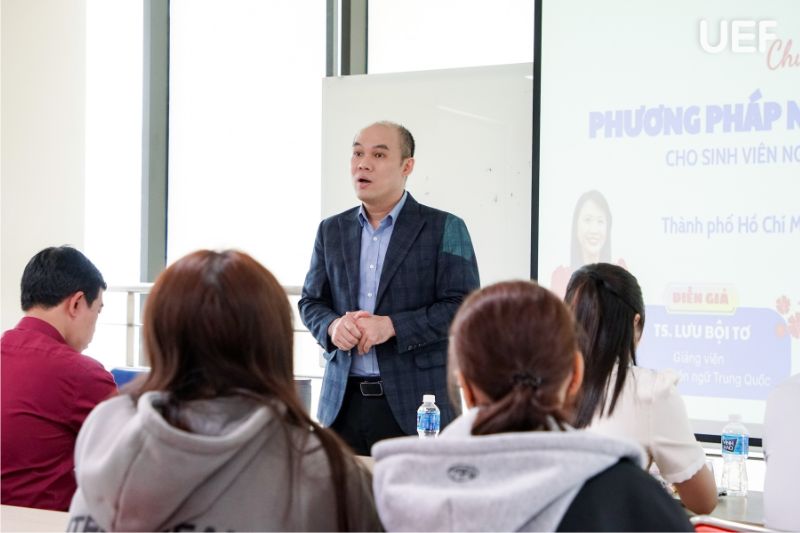
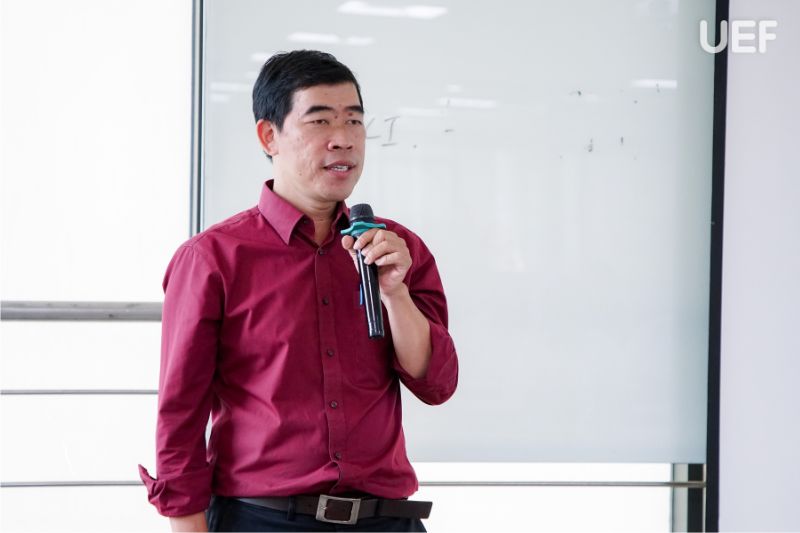
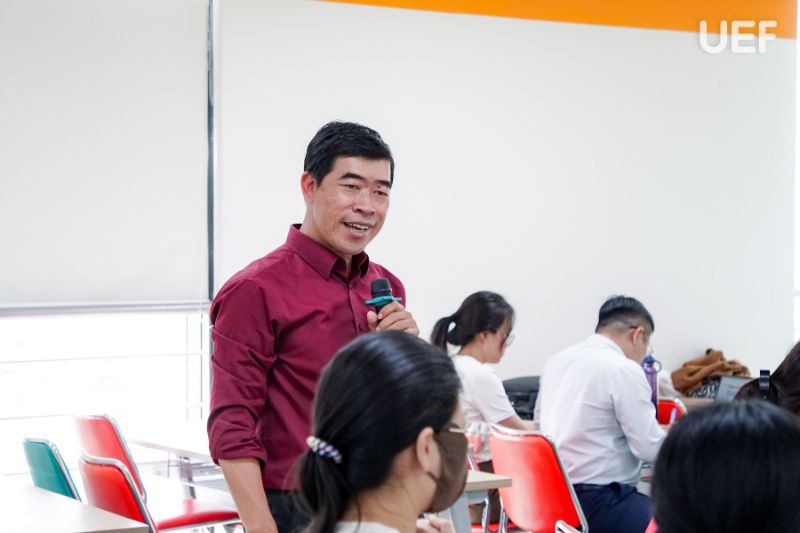
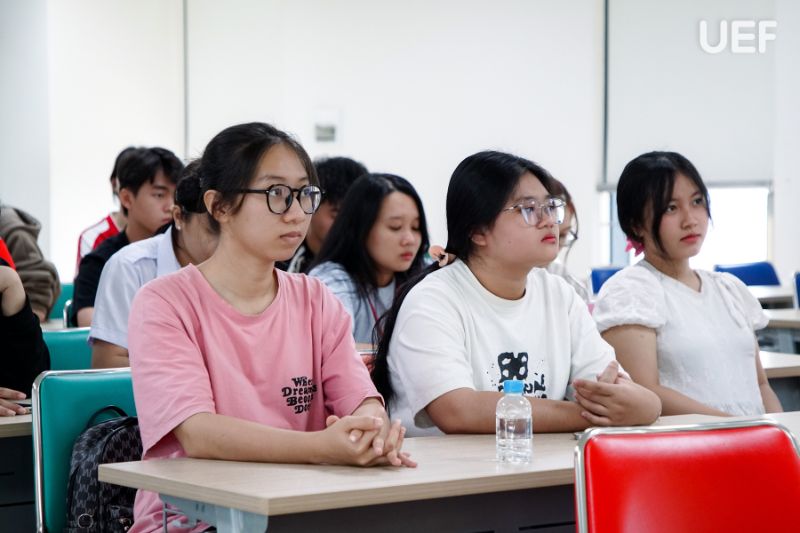
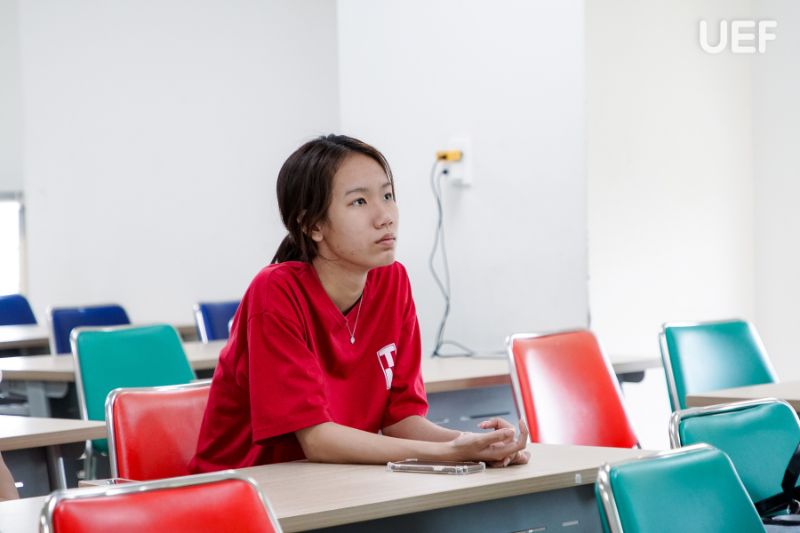
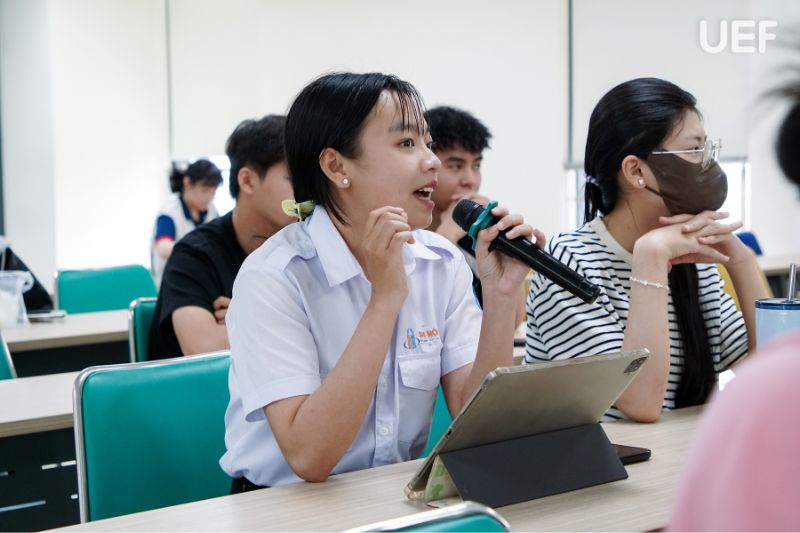
Recognizing this, on the afternoon of March 4th, the Chinese Language program organized a workshop on research methodology for students. The program is part of a workshop series taking place from March 4th to March 11th, consisting of three thematic sessions aimed at equipping students with foundational knowledge and practical research skills.
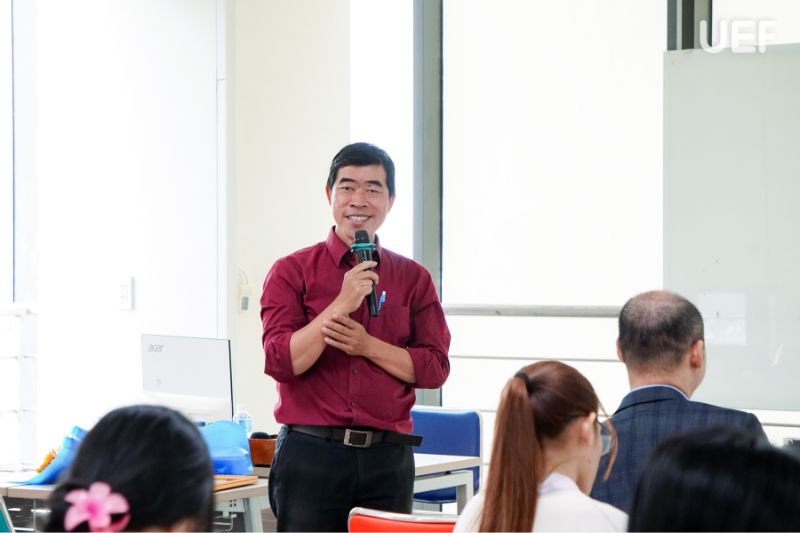

The workshop series helps Chinese Language students gradually develop research thinking and systematically approach academic activities
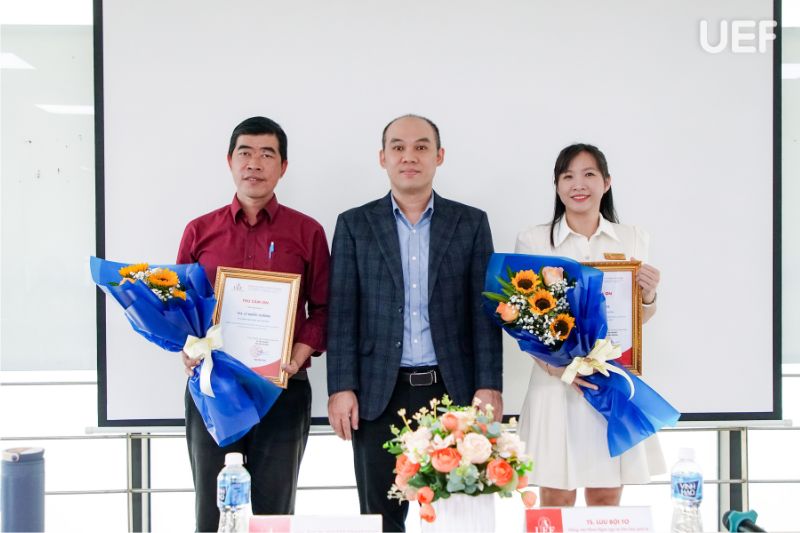
Attending the program were Assoc. Prof. Dr. Nguyen Thanh Luan – Deputy Head of the Office of Science, Technology and International Projects, along with lecturers from the Chinese Language program. The main speaker of the workshop series was M.A. Ly Quoc Cuong – Assistant of the Chinese Language program.










* Cơ sở 161 - 161A Điện Biên Phủ, Phường Gia Định, Thành phố Hồ Chí Minh
 khoann_vhqt@uef.edu.vn