


Business Engagement
Sports Economics Skills Training: FBA-UEF Lecturers' Milestone in Expertise and Industry Engagement
11/24/2025
After 2.5 months of implementation, the Sports Economics Skills Training Program 2025, jointly organized by UEF and the Ho Chi Minh City Department of Culture and Sports, has officially concluded, marking numerous outstanding achievements. With 16 core topics, 60 participants, and 210 certificates awarded, including 44 joint certificates issued by UEF and the Department of Culture and Sports, the program delivered a highly valuable learning journey, fostering strong connections among the University, enterprises, and regulatory agencies in the sports sector.
This year’s program continued to demonstrate UEF’s and the Faculty of Business Administration’s practical-oriented training approach, integrating modern management knowledge into the specific context of the sports industry, thereby contributing to the development of high-quality human resources for Ho Chi Minh City.
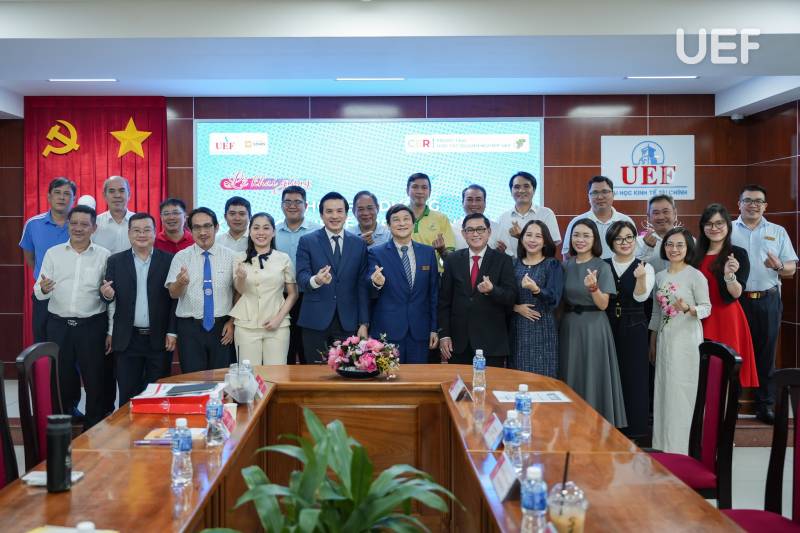
FBA lecturers play a key role in delivering core modules of the training program
Notably, lecturers from the Faculty of Business Administration played a key role by leading four core modules, providing applied perspectives, practical experience, and strategic thinking aligned with the industry’s development demands.
Following the opening session, participants engaged in the first module with two speakers: M.A. Le Duong Tuong Vy - HR Director at PNJ Production, and M.A. Dang Thu Huong - Founder of the Student Experience project and Vice Head of the Executive Board of the Social Golden Time community.
The session focused on updating core functions of human resource management in the modern era, including strategic planning, talent attraction and retention, team development, performance management, and the establishment of compensation systems and organizational culture. The speakers emphasized the application of HR Tech to enhance organizational flexibility and efficiency, as well as the importance of DEIB strategies (Diversity, Equity, Inclusion, and Belonging) as a foundation for sustainable development in the sports environment.
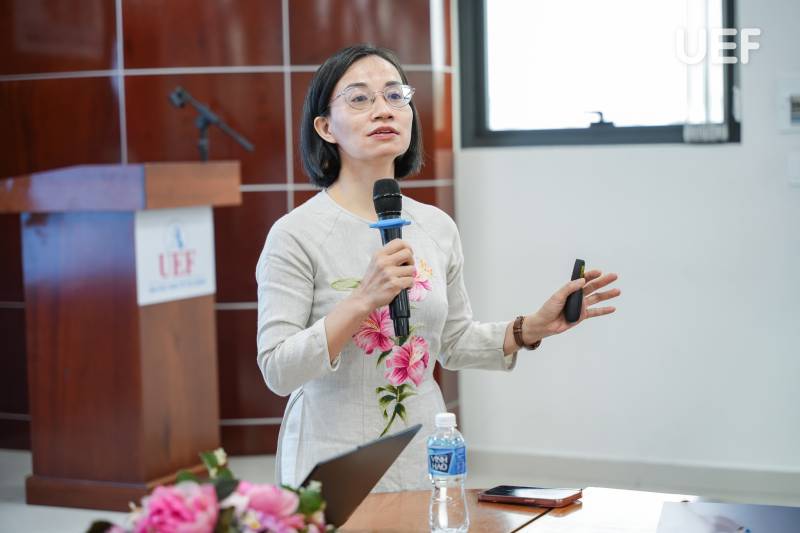
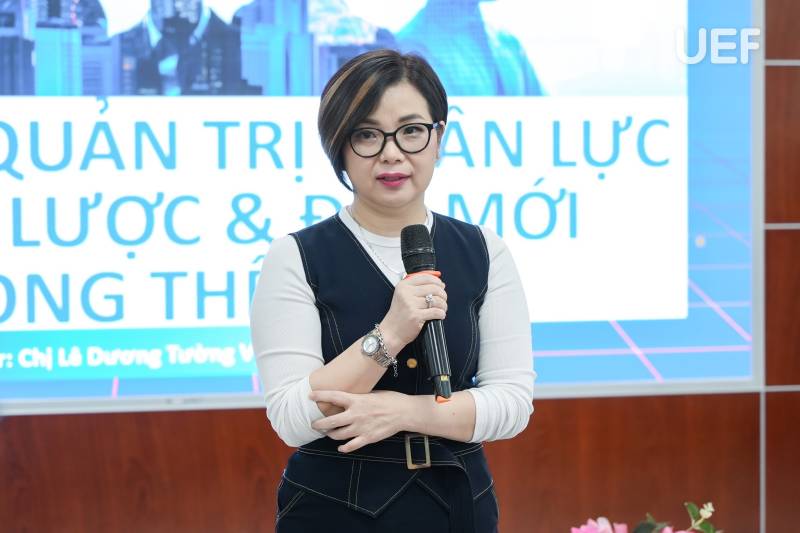
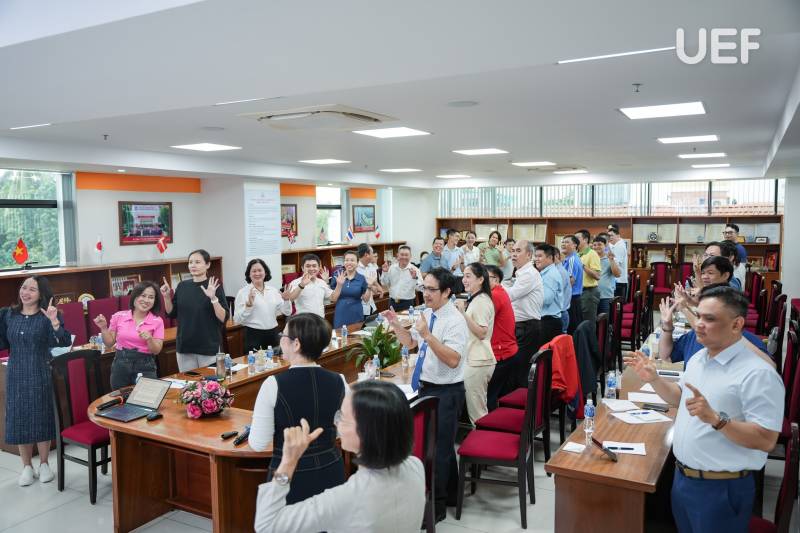
Speakers who are experts in human resource management from reputable organizations
In addition, participants were introduced to the employee journey design model, covering stages from onboarding, capability development, well-being care, career advancement, to performance recognition. This model plays a crucial role in improving employee experience and fostering long-term engagement. The session also highlighted the evolving role of HR in the modern era, where the HR function is no longer limited to administrative management but has become a strategic business partner. Key trends toward 2025, such as the application of artificial intelligence, the development of new skill sets, and flexible working models, were also discussed, providing participants with a comprehensive perspective.

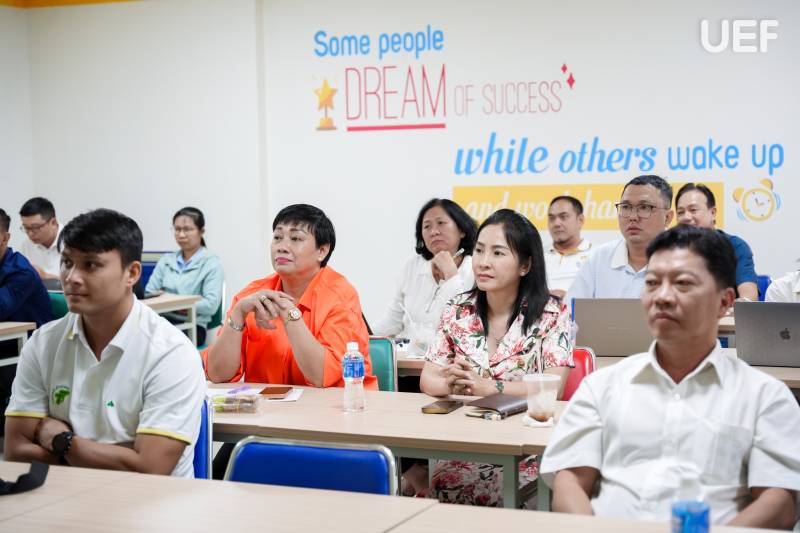
Participants gain practical insights into modern human resource management trends
In the afternoon, participants gained deeper insights into talent attraction and recruitment strategies through a session led by Dr. Dang Thanh Thuy - Head of the Human Resource Management Program at UEF. The session covered essential steps including workforce planning, employer branding, candidate sourcing, screening and evaluation, and employee onboarding-key processes to ensure workforce quality in a competitive environment.
The speaker also introduced methods for measuring employee engagement through the eNPS (Employee Net Promoter Score) index, as well as approaches to effectively managing employee touchpoints. These tools are considered essential for enhancing employee experience, satisfaction, and long-term loyalty.
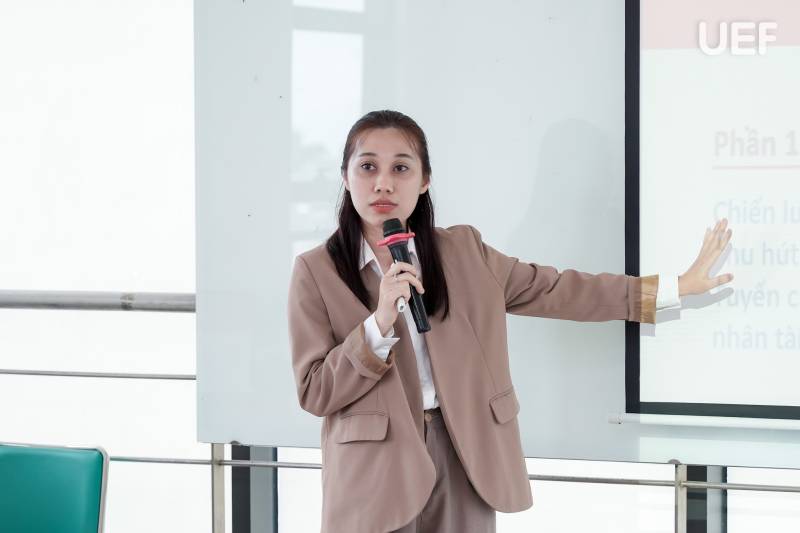

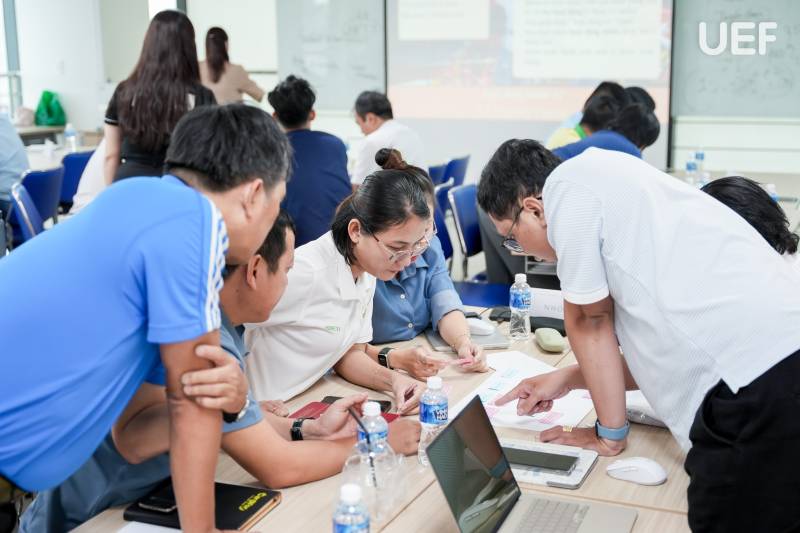
Dr. Dang Thanh Thuy shares knowledge on recruitment, training, and talent retention processes
Continuing the learning journey in sports economics, participants completed Module 3 titled “Professional Sports Marketing and Communications Management” over two days, October 2nd and October 3rd.
This module provided academically rich and practice-oriented experiences aligned with global trends. From strategic thinking to modern technological tools, each session enabled participants to develop analytical, creative, and operational competencies in executing professional sports marketing campaigns, with guidance from UEF lecturers.
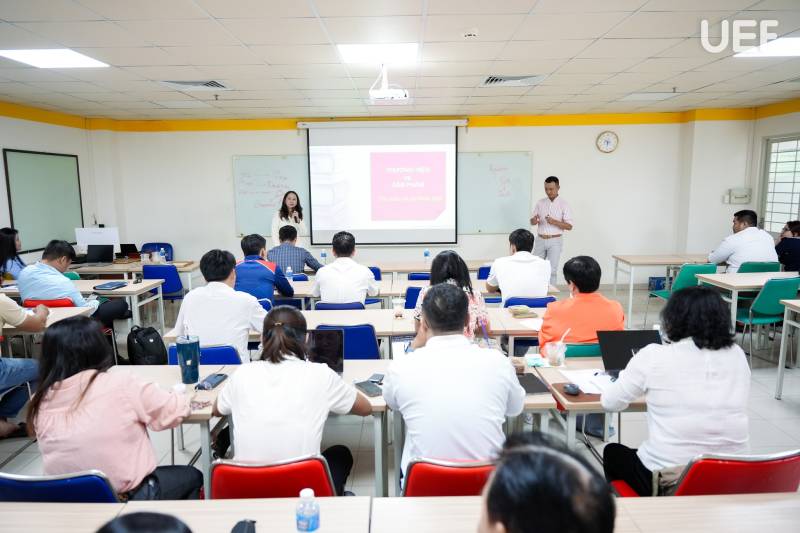
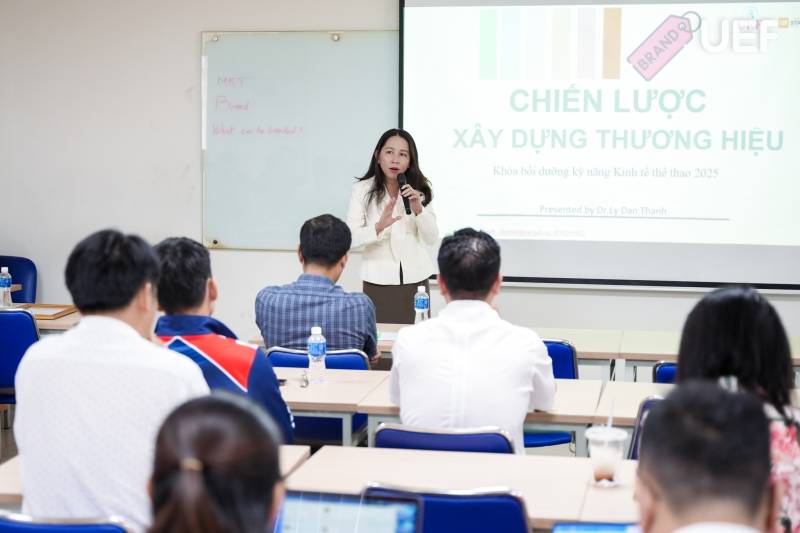
Module 3 provides in-depth academic and practical experiences in sports marketing and communications
At the beginning of the module, Dr. Phan Bao Giang - Vice President and Dean of the Faculty of Marketing at UEF, together with Dr. Ly Dan Thanh - Dean of the Faculty of Business Administration, laid the foundation by clarifying the nature of marketing in the sports industry. Drawing from classic definitions by Peter Drucker, Steve Jobs, Seth Godin, and Philip Kotler, Dr. Bao Giang emphasized that marketing is not merely a sales tool but a process of value creation, inspiration, and emotional connection.
He also analyzed various types of marketing offerings,including goods, services, events, people, places, and ideas, helping participants better understand the diversity of the field. Additionally, perspectives on marketing, its organizational role, and the current global marketing landscape were presented, offering participants a comprehensive view and clearer direction for practical application in Vietnam’s sports market.
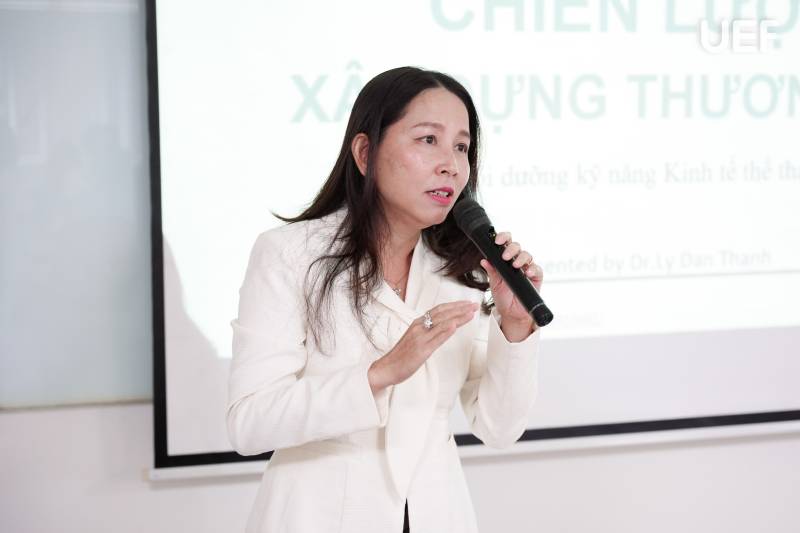
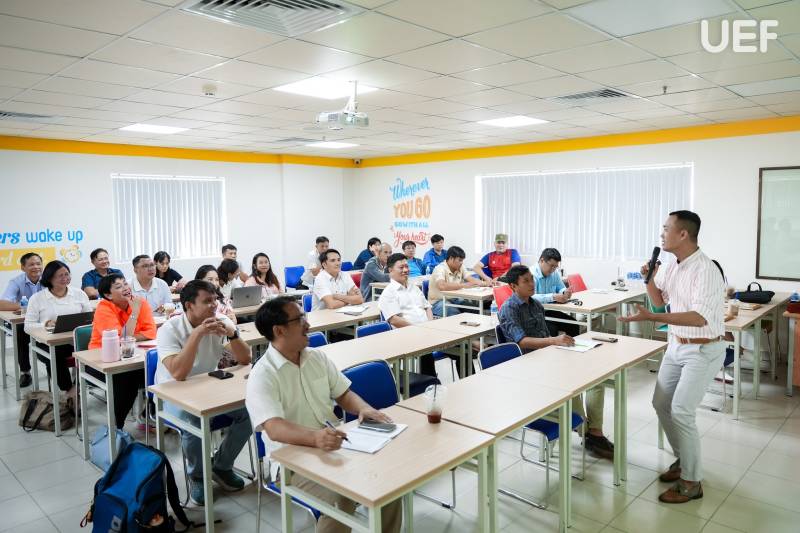

Speakers in Module 3 are experts in communications and brand development
Subsequently, Dr. Ly Dan Thanh focused on strategic brand-building in sports, a key factor determining the position of a club, team, or even an athlete. She guided participants in brand positioning, defining core values, and maintaining a sustainable brand image through strategic communication activities. Participants also engaged in practical exercises on brand strategy development, enhancing their analytical and creative capabilities in real-world contexts.
With the continued participation of Dr. Ly Dan Thanh and M.A. Tran Trieu Quan - Lecturer at the Faculty of Business Administration, participants explored brand management and digital communications in sports in greater depth. The session clarified the distinction between “product” and “brand” and introduced Kevin Keller’s CBBE model for building brand equity based on fan emotions and experiences. Six criteria for evaluating brand identity systems were thoroughly analyzed, highlighting the importance of consistent imagery and messaging in maintaining relationships with fan communities.
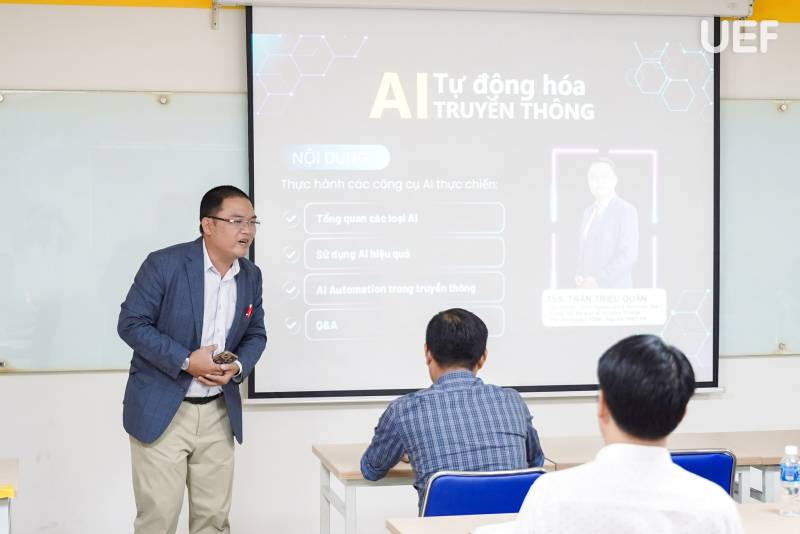
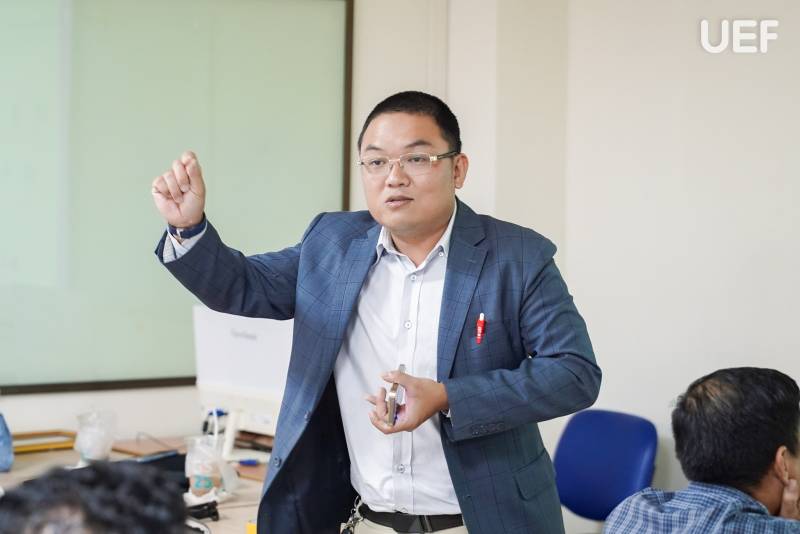
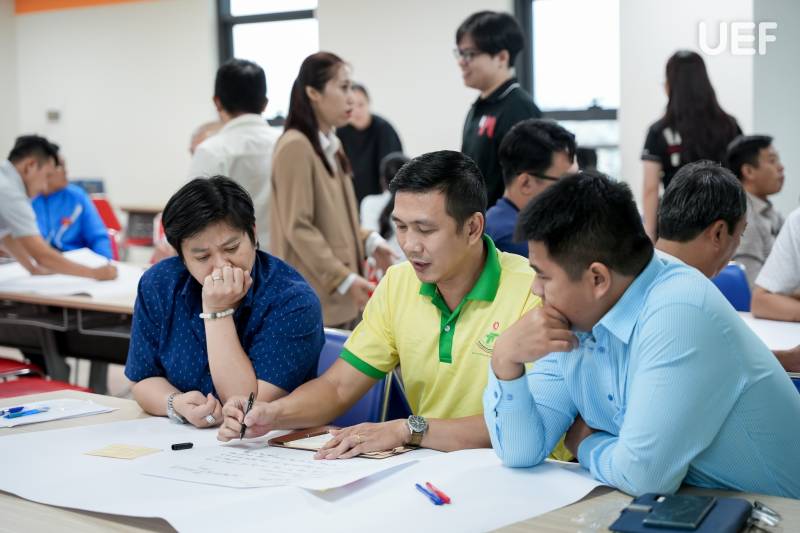
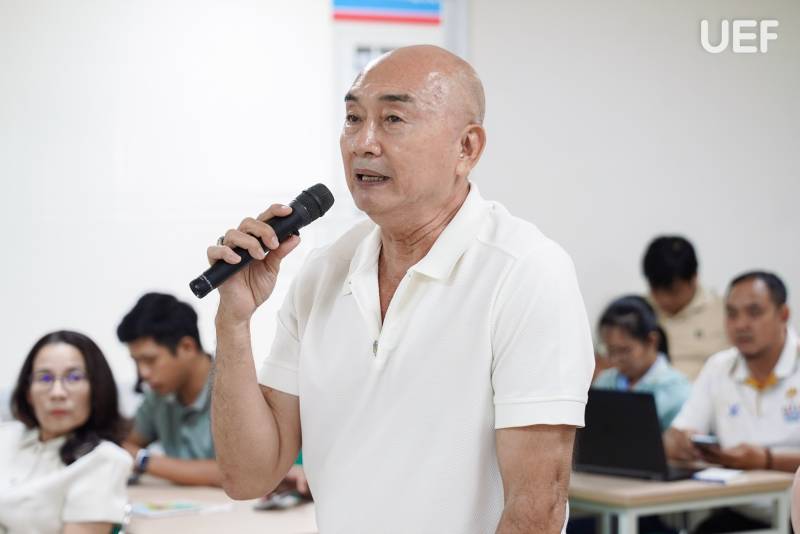
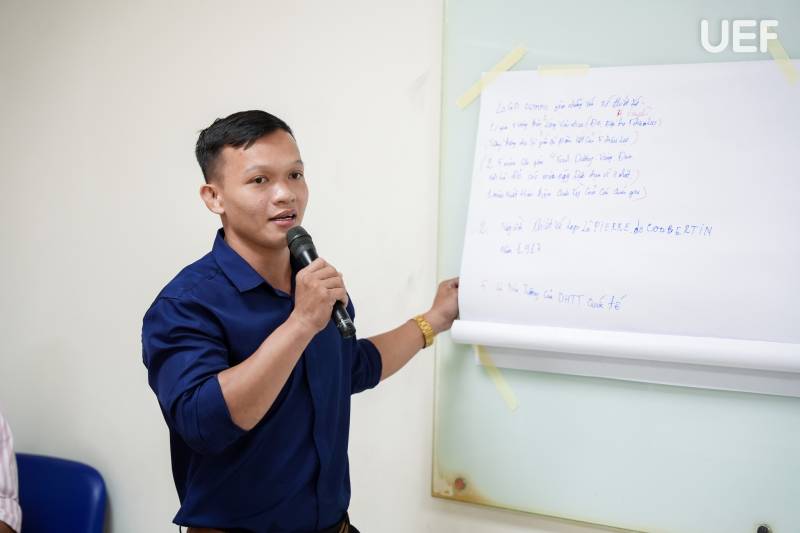
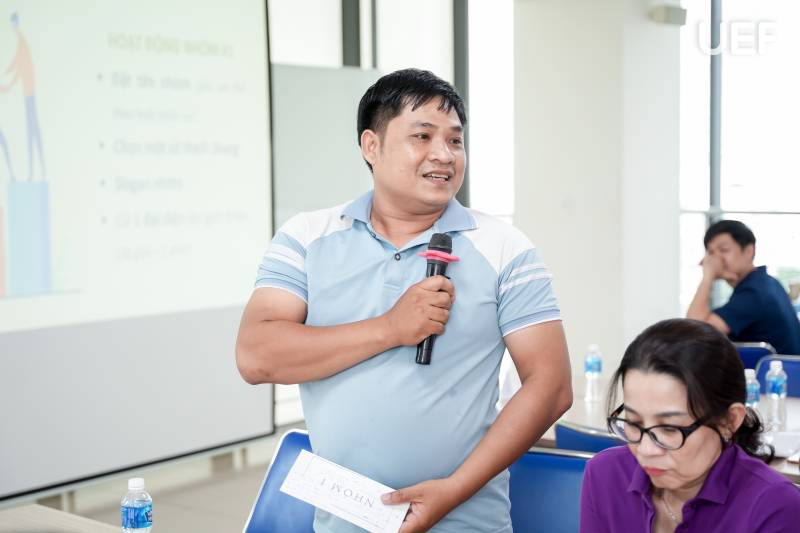
M.A. Tran Trieu Quan leads practical sessions on digital transformation and AI applications
Notably, M.A. Tran Trieu Quan introduced AI workflow automation, a modern tool that enables sports organizations to optimize communication processes—as well as the development of specialized AI assistants for specific domains such as legal, human resources, and labor law through structured data input to ensure accuracy and minimize misinformation.
Through the integration of theoretical foundations, practical experience, and advanced technological applications, Module 3 provided participants with in-depth knowledge of marketing, communications, data, and public relations, while also fostering strategic thinking and creativity in a professional sports environment. This serves as an essential stepping stone toward becoming “next-generation sports managers” who understand the market, master technology, create value, inspire others, and contribute to elevating Vietnam’s sports brands on the global stage.
The success of the Sports Economics Skills Training Program 2025 lays the foundation for more specialized training programs in the future. With sustainable collaboration among UEF, the Ho Chi Minh City Department of Culture and Sports, enterprises, and industry experts, the Faculty of Business Administration believes that more programs will be expanded, contributing to the dissemination of practical values and enhancing the capacity of human resources in the sports sector amid the rapid development of the creative economy.
Faculty of Business Administration, UEF
RELATED NEWS


