



DEPARTMENT OF SCIENCE, TECHNOLOGY AND INTERNATIONAL PROJECTS
Learners’ Scientific Research
UEF Launches Academic Forum for Young Researchers, Shaping the Future of AI
01/11/2025


Artificial intelligence (AI) is reshaping the world from technology and markets to human behavior. Research and discussion on AI are no longer the exclusive domain of technologists but have become a concern for society as a whole.
Recognizing this trend, on the morning of OCTOBER 31, UEF’s Faculty of Law, in collaboration with the Faculty of Information Technology, organized the 2025 Young Researchers Scientific Conference under the theme “Shaping the Future of Artificial Intelligence: From Technology to Policy and Law.”
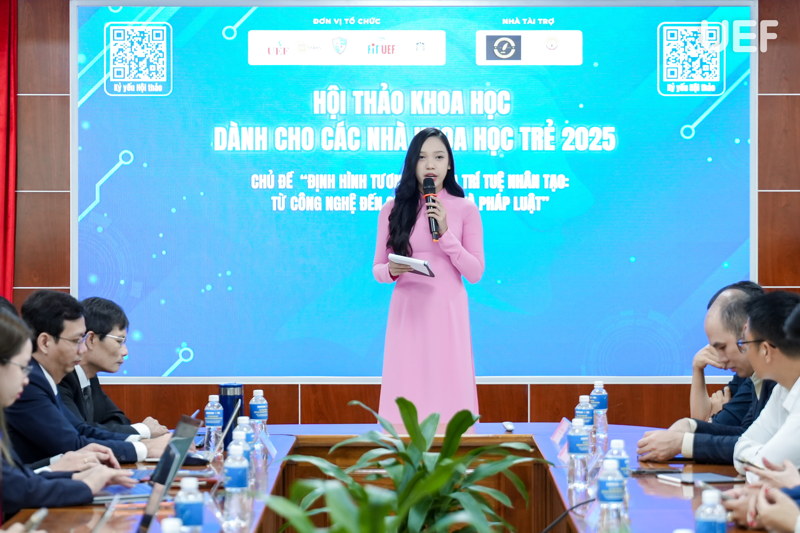
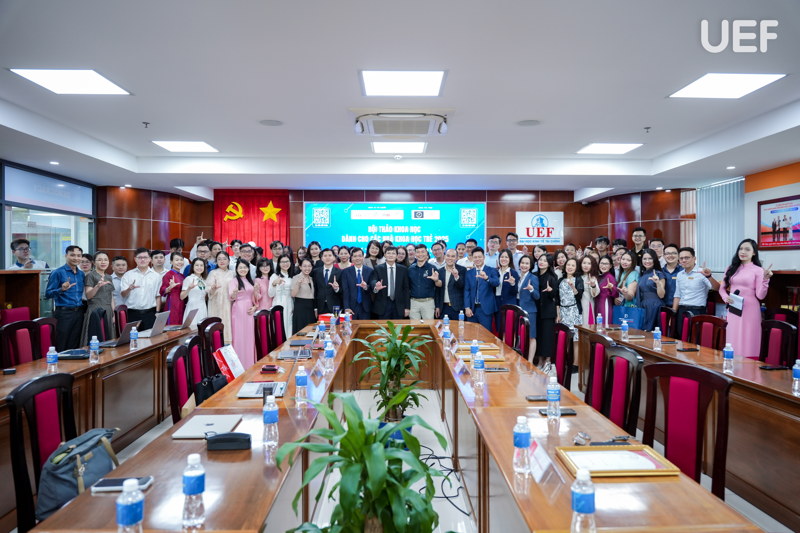
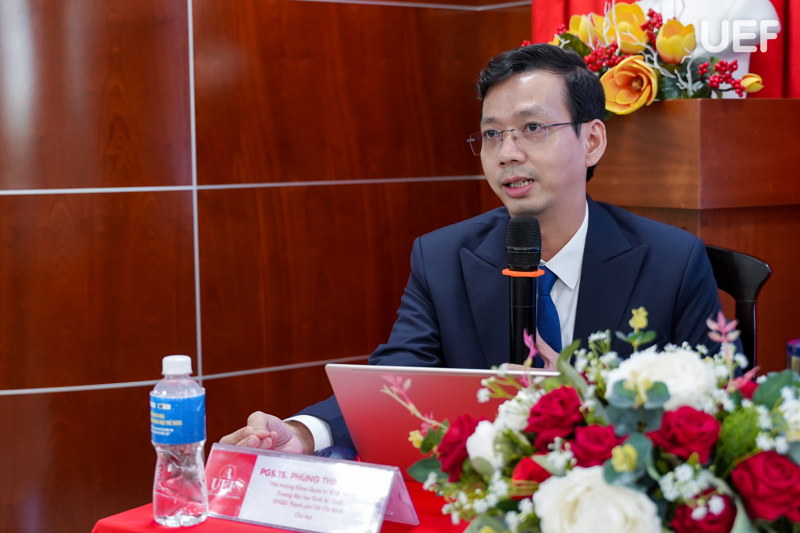
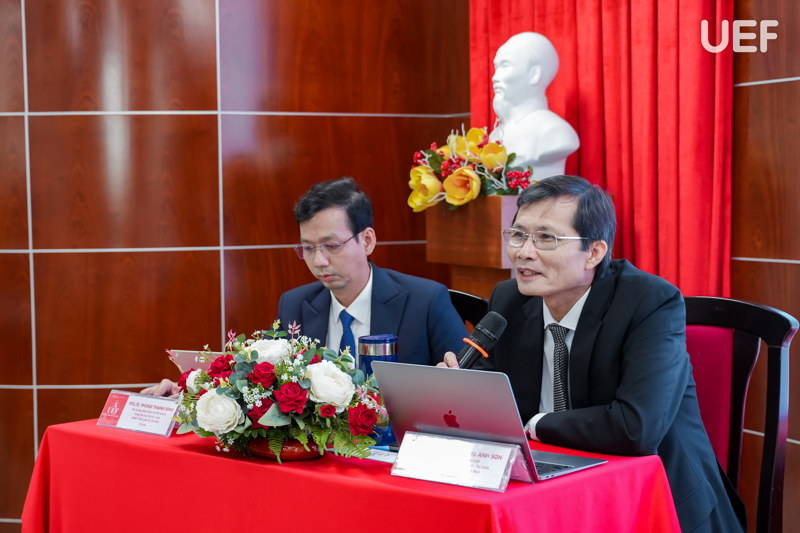
The conference provided an open platform for academic exchange, fostering the sharing of valuable scientific insights
The conference attracted contributions from over 200 scientists, lecturers, doctoral candidates, and students representing 12 domestic and international educational and research institutions, with active participation from enterprises, law firms, and government agencies. From more than 100 submitted research papers, the review committee selected 73 studies demonstrating high academic and practical value for publication, including 4 exemplary papers presented live at the workshop.
The conference was attended by Assoc. Prof. Dr. Phung Thanh Binh, Vice Dean of the Faculty of Business Administration, University of Economics and Law, VNU-HCM; Mr.Nguyen Van Tan, Deputy Director of E-Protect Vietnam Law Company Limited; Dr. Ngo Minh Hai, Vice President of UEF and Chair of the Organizing Committee; Assoc. Prof. Dr. Duong Anh Son, Dean of UEF’s Faculty of Law; Assoc. Prof. Dr. Nguyen Thanh Luan, Deputy Director of the Department of Science, Technology, and International Projects; representatives from universities and enterprises; UEF leaders from faculties, offices, and centers; as well as scientists, lecturers, doctoral candidates, postgraduate students, and undergraduate students.

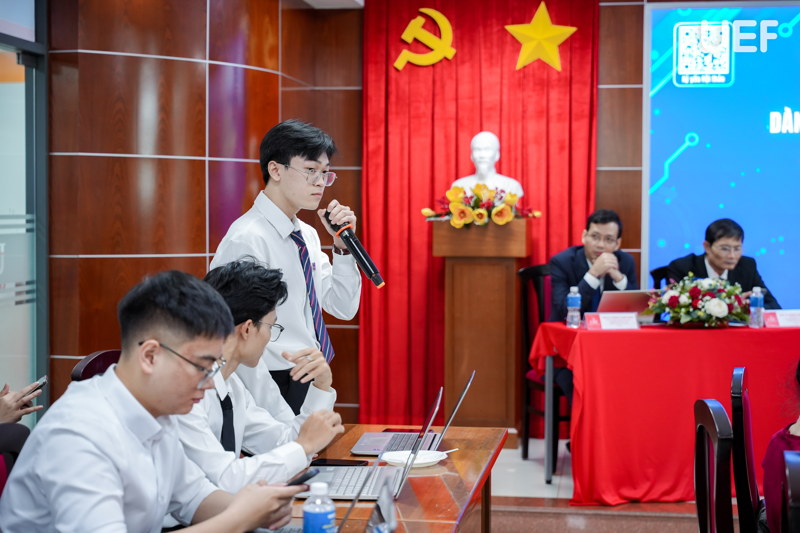
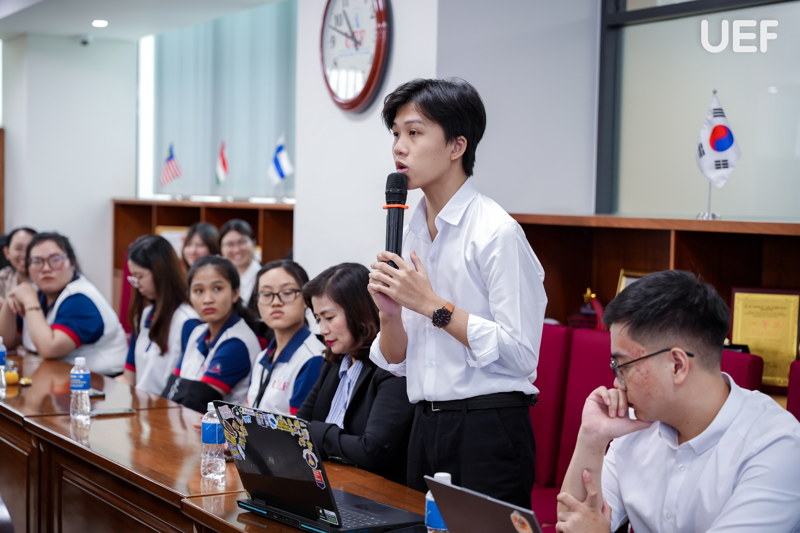
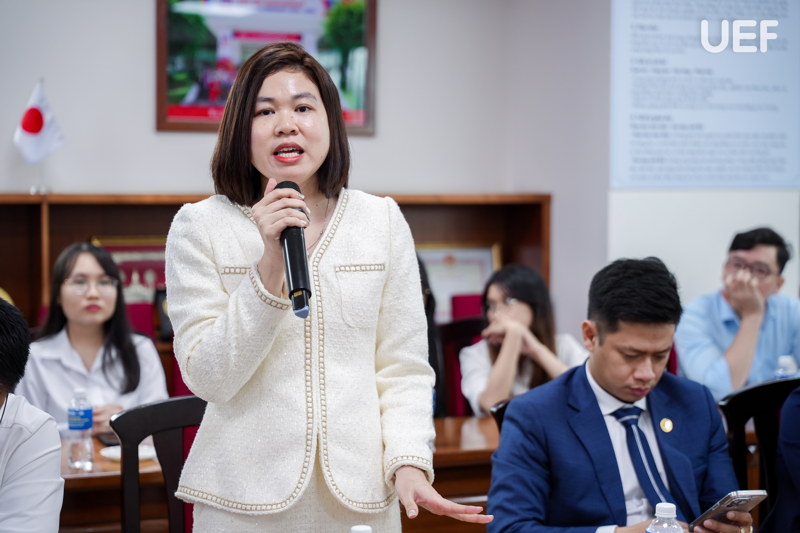
The workshop offered well-researched, multidimensional perspectives spanning technology, policy, and law
The symposium was presided over by a distinguished Executive Panel tasked with session moderation and scholarly critique, comprising eminent scholars and experts at the intersection of law and technology: Assoc. Prof. Dr. Phung Thanh Binh, Assoc. Prof. Dr. Duong Anh Son, and Dr. Tran Vang Phu (Executive Board Secretary). Defined by a commitment to intellectual rigor, impartiality, and scientific objectivity, the Presidium facilitated a dynamic and inclusive discourse, empowering emerging researchers to articulate their perspectives and disseminate innovative methodological paradigms.
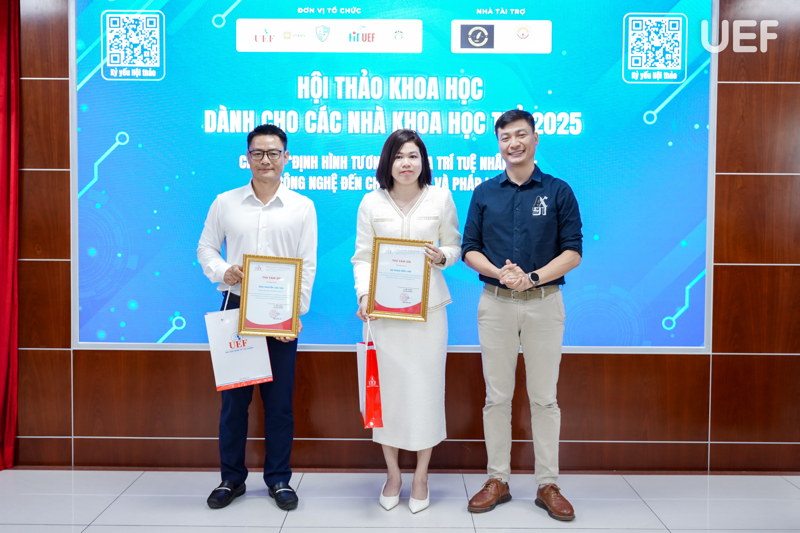
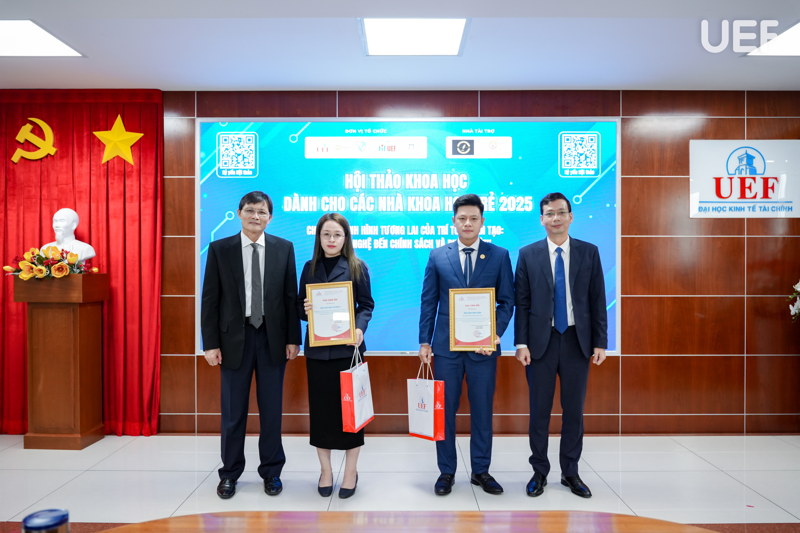
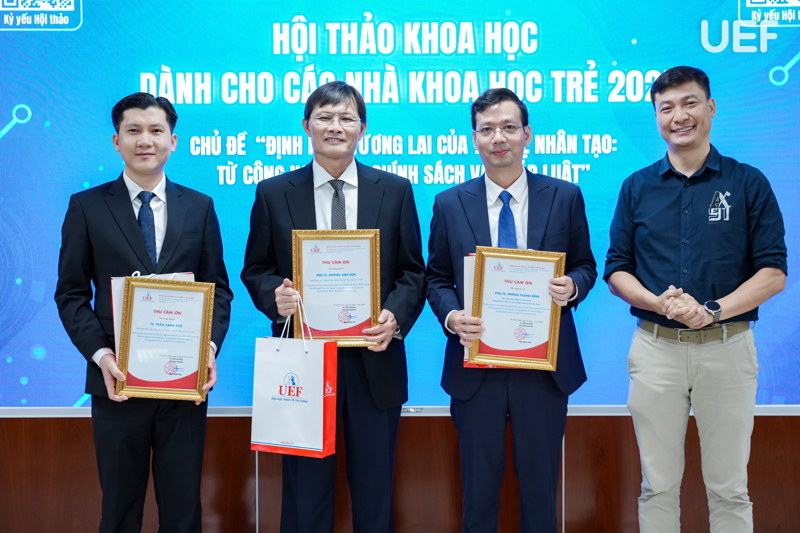
The Organizing Committee expressed gratitude to the sponsors for their support and extended thanks to the workshop’s chairing panel
In his opening remarks, Dr. Ngo Minh Hai emphasized that AI is currently transforming the way we learn, work, and manage society. Beyond asking whether AI will surpass humans, the more important question is how we choose to live and work responsibly alongside AI. Today’s workshop provides an opportunity for the younger generation to research, debate, and contribute their perspectives to the development of policies and legal frameworks in the digital era.
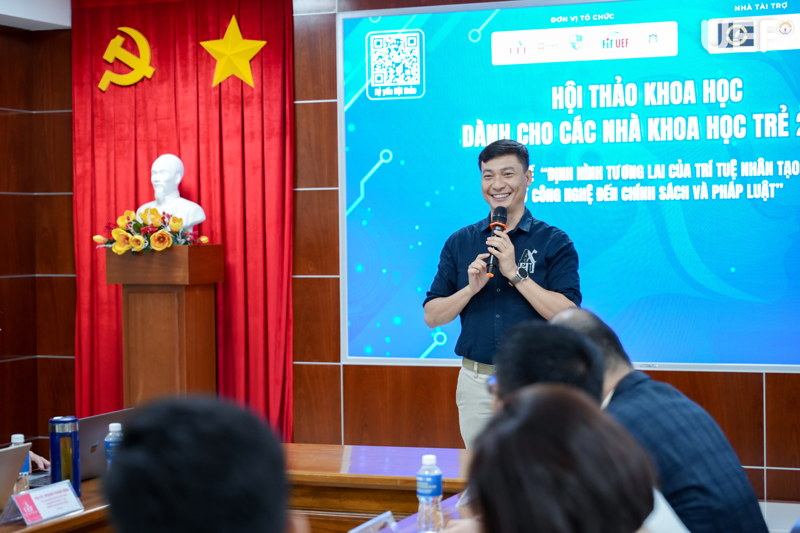
Dr. Ngo Minh Hai delivered the opening remarks of the workshop
The papers presented at the workshop offered a multifaceted view of artificial intelligence. From a technological perspective, the study by Pham Nguyen Thach Thao introduced the model “Cognitive Prompting in Graphic Design: Research Findings and Proposed Application Guidelines,” aiming to establish ethical principles for AI use in artistic creation.
From an economic perspective, a team from the University of Economics and Law, VNU-HCM, analyzed AI’s impact on international trade and economic complexity, proposing policies to help nations leverage AI for sustainable development. Meanwhile, the legal dimension was explored through two notable studies: “Applying Information Technology and Artificial Intelligence to Enhance Civil Enforcement: Lessons from China and Implications for Vietnam” and “AI Judges: International Experiences and Potential Applications in Vietnam.”
These outstanding research works reflect rigorous academic thinking and demonstrate the pioneering research spirit of young scholars who are actively contributing to shaping the legal framework for future technologies.
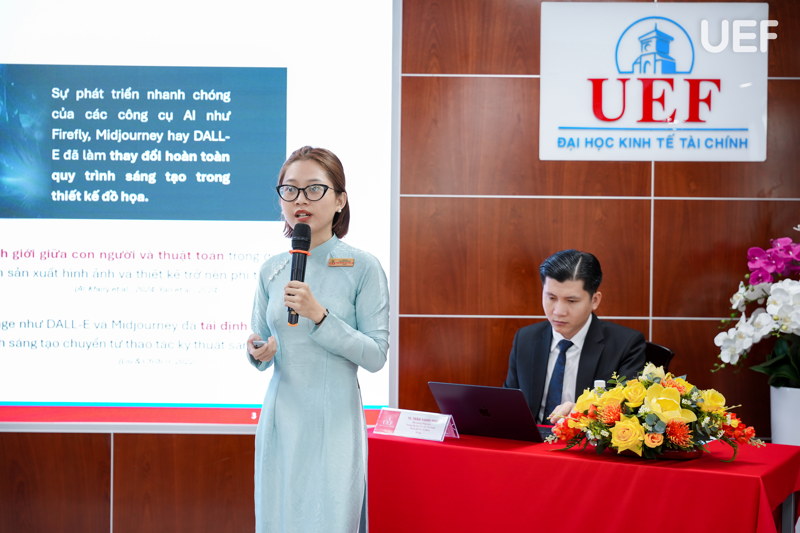
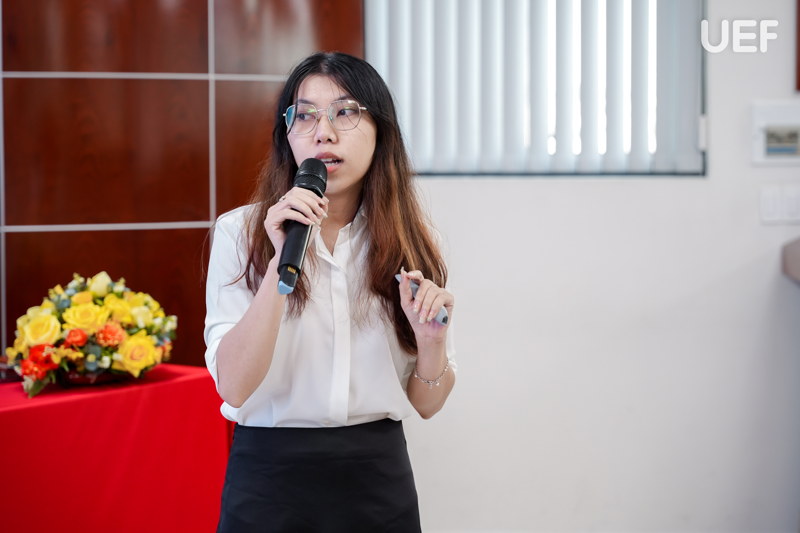
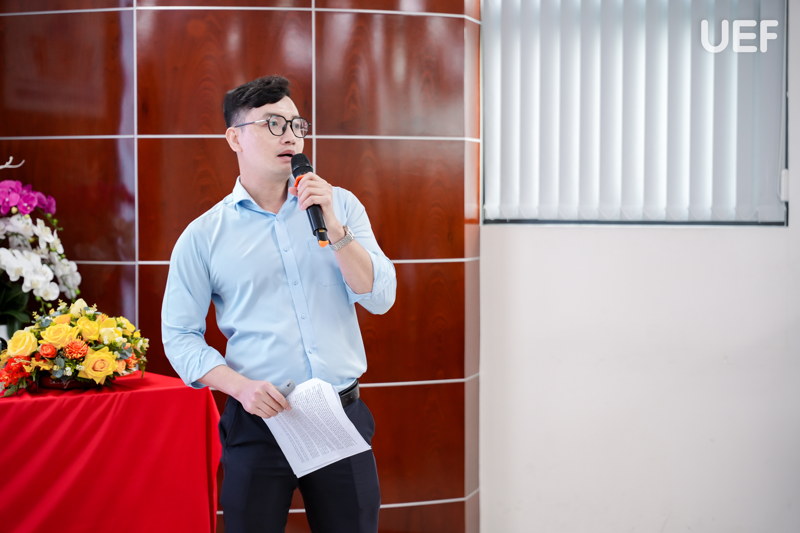
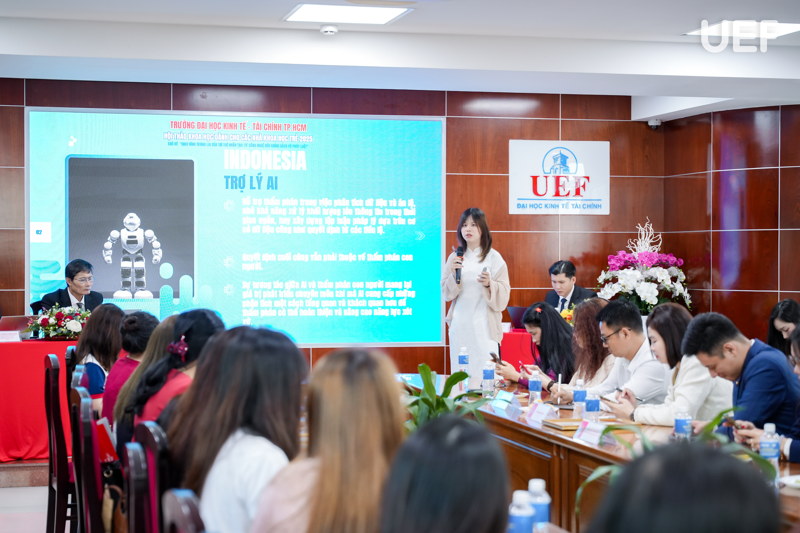
4 exemplary papers were selected for presentation at the workshop
Following the session and evaluation, the Organizing Committee announced and awarded the “Best Paper” of the 2025 Young Researchers Scientific Conference to the team behind the study “AI Judges: International Experiences and Potential Applications in Vietnam.” The work was highly praised by the review panel for its timeliness, theoretical depth, and practical applicability in developing a legal framework for artificial intelligence in Vietnam’s judicial sector.
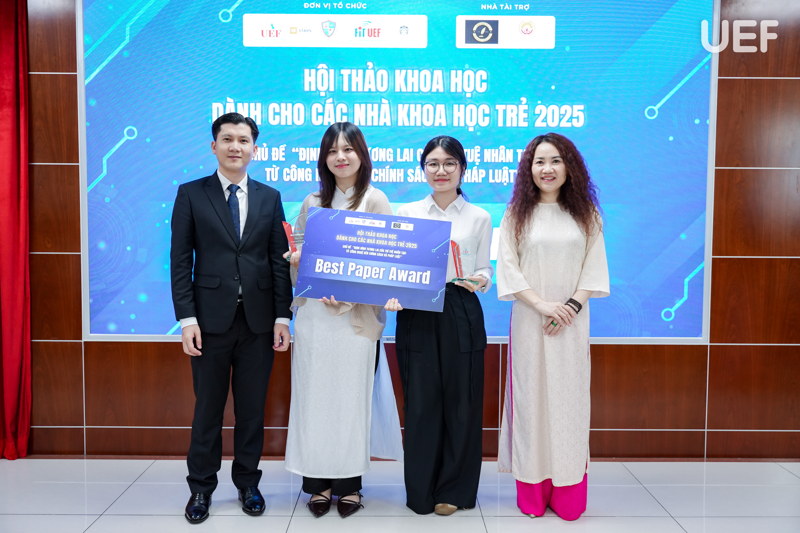
The “Best Paper” Award was presented to the research team of Nguyen Thi Thuy Linh and Le Nguyen Thao from the University of Economics and Law, VNU–HCM
The Conference reaffirmed the strong academic–practical integration that UEF consistently cultivates across its training units. It provided a platform where undergraduate students, graduate students, and early-career lecturers could experience the full cycle of scientific research in a professional environment: from conceptualizing ideas and developing research projects to disseminating findings. The event also offered students an opportunity to engage with contemporary academic discourse, strengthening their capacity for critical thinking, creativity, and real-world application of knowledge.
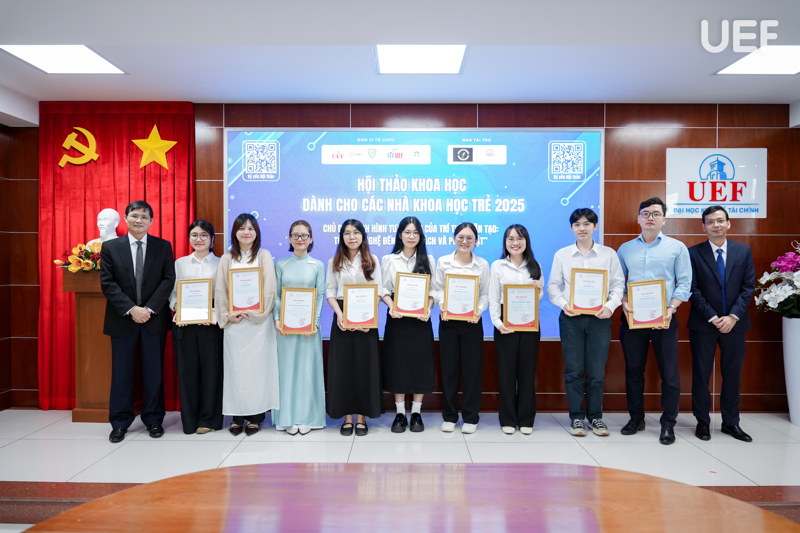
The conference presented certificates of recognition to authors and research teams with outstanding scholarly contributions
The conference concluded, yet its academic spirit and passion for research continue to resonate. The discussions, debates, and diverse perspectives shared throughout the event lay a solid foundation for young researchers to further develop their studies, expand international publications, and contribute to the advancement of policies and legal frameworks on AI in Vietnam. With the unwavering commitment of its faculty and students, UEF is steadily shaping itself into an open knowledge hub where innovative ideas are nurtured and transformed into a driving force for the sustainable development of society.
Center of Information and Communication
RELATED NEWS