


Academic Programs
Real Estate
14/10/2025
1. Introduction to the training program
Real estate, also known as real estate business, is a sector within the business field. Currently, real estate business is a "hot" industry and one of the important drivers of economic development. In Vietnam, the real estate sector has been receiving great attention from various segments of society. To help young people interested in business understand this field of study, the following article will provide detailed information on each issue you are interested in.
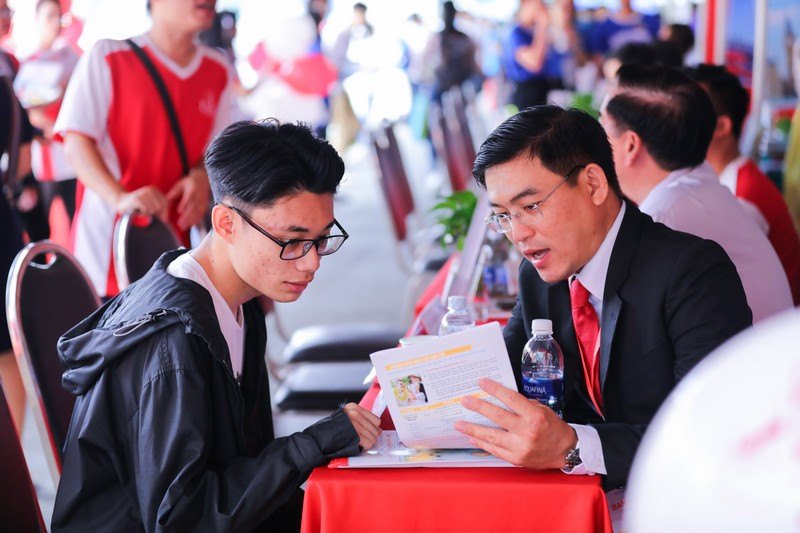
Currently, several prestigious universities offer Real Estate programs, such as the University of Economics Ho Chi Minh City, the University of Natural Resources and Environment Ho Chi Minh City, and the University of Economics and Finance Ho Chi Minh City (UEF)... However, UEF's distinguishing features and strengths include the following:
Strengths of the Real Estate sector at UEF:
- Students learn in a professional environment that meets international standards;
- Students regularly have the opportunity to network with successful entrepreneurs and visit businesses in person.
- In addition to the main lecturers, most courses feature speakers who are successful entrepreneurs in their respective fields, sharing their experiences. This helps students better understand the practical applications of the subject.
- In addition to acquiring knowledge, students are also equipped with communication, teamwork, and presentation skills through youth union activities and academic club activities.
- In particular, students are given opportunities to improve their foreign language and computer skills so that they can confidently work in foreign companies or pursue further studies abroad.
2. General Objectives
The Bachelor of Real Estate program aims to train graduates with a career orientation, possessing political and professional ethics, good health; multidisciplinary and in-depth knowledge of real estate development, business, and management compatible with international integration trends and sustainable development goals; creative thinking ability, problem-solving skills, meeting the requirements of the international labor market, and oriented towards global citizenship; a sense of social responsibility and a solid knowledge base for further study and research at higher levels.
3. Specific objectives
- PO1 (Knowledge). Provides learners with fundamental knowledge of natural sciences, social sciences, political science, and law; foundational and in-depth knowledge of professional skills and practices in the real estate field; and necessary supplementary knowledge to meet job requirements.
- PO2 (Skills). Equipping and training learners with practical professional skills in real estate development, real estate business, and real estate management; applying specialized and interdisciplinary knowledge to solve real-world problems; communication and interpersonal skills, teamwork, and global integration.
- PO3 (Level of Autonomy and Responsibility). This program aims to cultivate and develop in learners a sense of professional ethics and community responsibility; the ability to think independently, creatively, and collaboratively in learning, research, and work; adaptability to a multicultural and integrated work environment; and a global citizenship orientation.
4. Career opportunities:
Graduates in Real Estate can take on the following positions:
- Real estate project development specialist;
- Real estate agent;
- Real estate operations management specialist;
- Real estate appraiser;
- Real estate market research specialist;
- Real estate brokerage manager;
- Specialists from state agencies responsible for real estate management;
- Teachers at colleges and vocational schools that offer real estate training programs;
- Employees of non-governmental organizations in the real estate sector.
.jpg)
5. Learning Opportunities
- Articulation with advanced postgraduate programs (Master's, PhD) in Business Administration, Marketing, International Trade, Business Management, or other related economic fields at domestic and international universities;
- Attend short-term courses, either domestically or internationally, in fields such as economics, trade, marketing, investment, or credit.
- After graduation, students can also become researchers and lecturers in colleges, universities, and vocational schools; they can participate in research in the fields of business, finance, marketing, and commerce.
![]()
.jpg)
Decisions promulgating the Learning Outcomes and Training Programs for the Real Estate Major
RELATED NEWS









