


UEF Students Gain Practical Insights into International Transshipment Ports
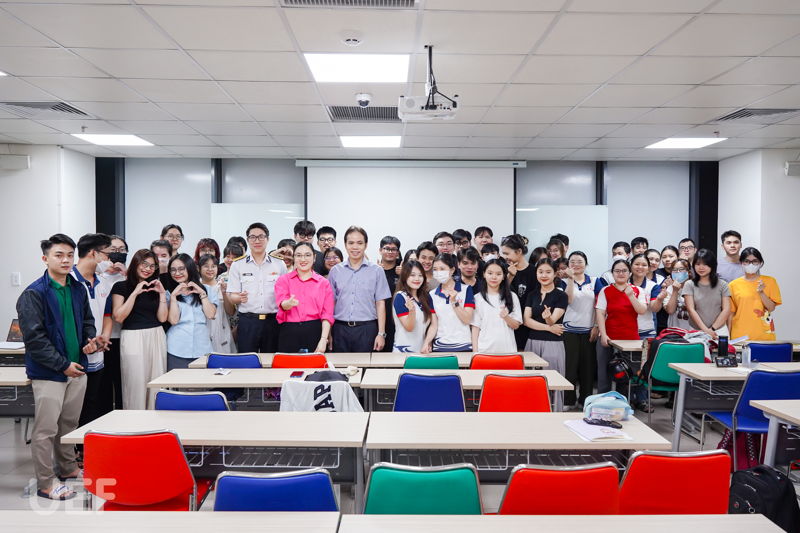
Also attending the session were Ms. Do Thi Thu Ha, Deputy Dean of the Faculty of Economics and Head of the Logistics and Supply Chain Management Department, and Ms.Vuong Nguyen Anh Xuan, Head of Sales and Marketing at Tan Cang STC. In addition, staff members from both Tan Cang STC and the Marketing Department of Saigon Newport Corporation joined the event via online platforms.
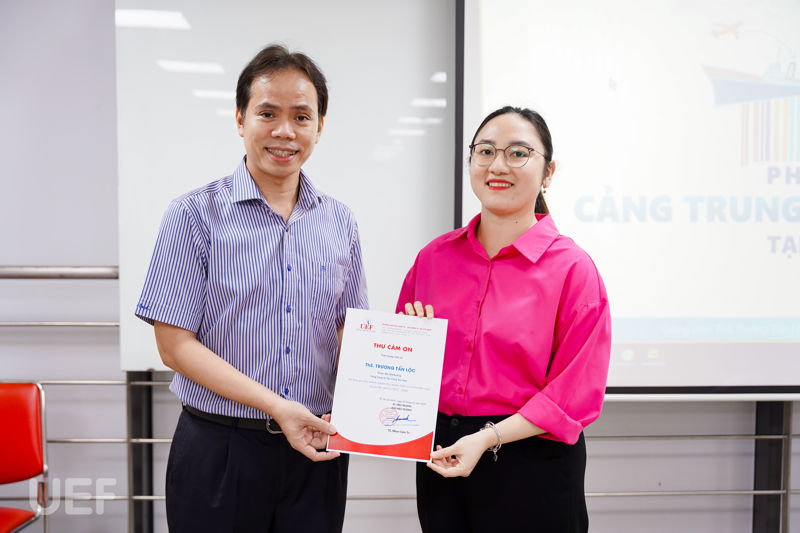
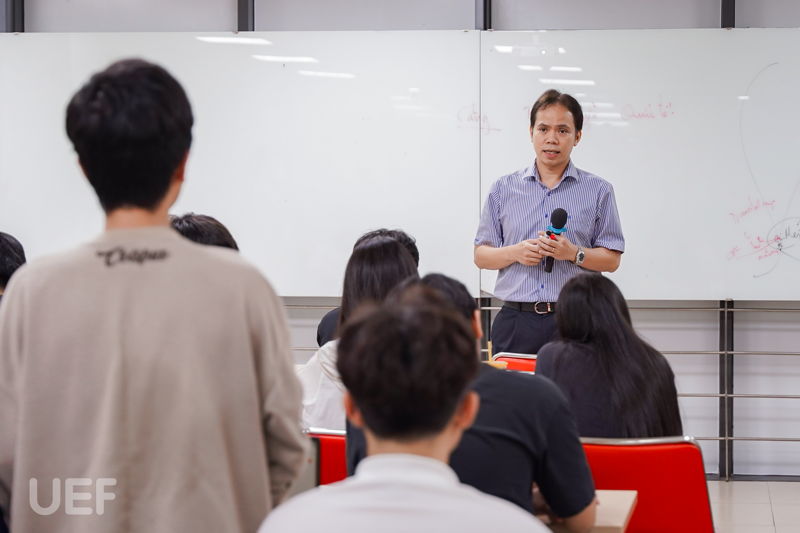
Throughout the seminar, Mr. Truong Tan Loc guided students through four key areas:
+ The concept of an international transshipment port
+ Its economic and strategic importance for Vietnam
+ The current development status of Vietnam’s transshipment ports
+ Comprehensive solutions for the future development of this sector
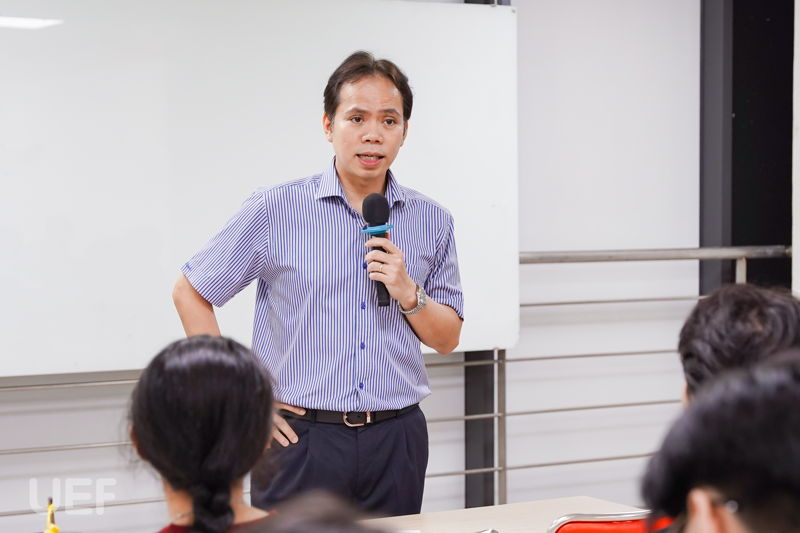
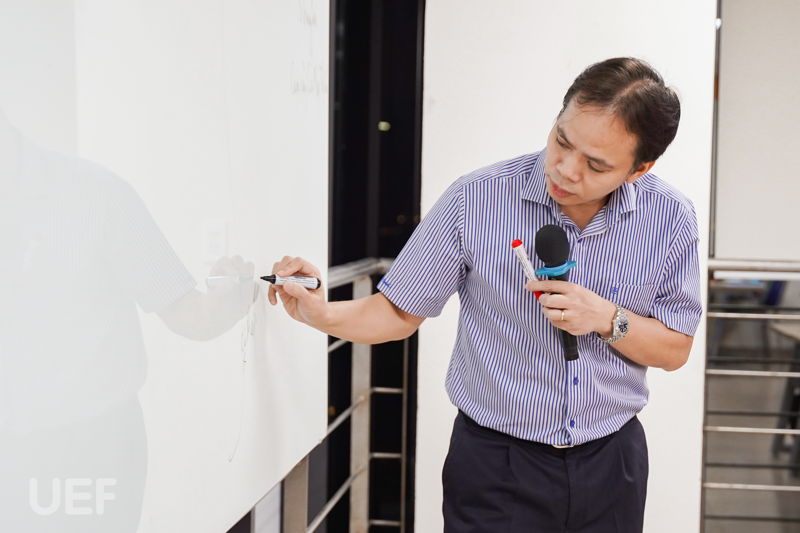
Mr. Tan Loc explained that a hub port functions as a central node for cargo transshipment, connecting domestic transport systems with feeder vessels to facilitate global trade flows. He emphasized three essential factors that define a successful hub port — strategic location, port infrastructure, and commercial competitiveness.
He further discussed the multifaceted role of international transshipment ports in Vietnam’s economic, political, and social development, outlining both opportunities and challenges facing the sector. Among the proposed solutions were synchronized port–hinterland infrastructure development and navigational channel dredging to accommodate larger vessels.
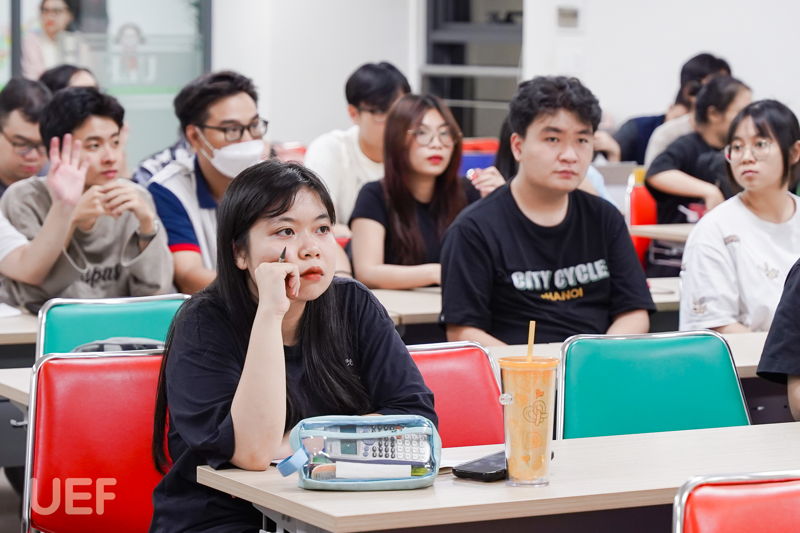


To make the discussion more tangible, the speaker cited practical examples such as Singapore Port, Tan Cang–Cai Mep Container Terminal, and SP-PSA International Port, enabling students to visualize real-world operations and success models. The Q&A session afterward allowed UEF students to raise questions and exchange views directly with the expert.