



Pre-Doctoral Programme K02: Conquering the Methodological Foundation Right from the First Lesson
- Ontology: Reality is subjective, constructed through social interaction (Socially constructed).
- Epistemology: Knowledge is co-constructed (co-created) through dialogue between the researcher and the participants.
- Values (Axiology): Acknowledging the role, experience, and value of the researcher as an integral part of the knowledge-building process.
- Methodology: Shifting from deductive thinking (Hypothesis testing) to inductive thinking (Inductive – Building theories from data).
In particular, the concept of "Reflexivity" (reflective nature) is emphasized as a core key. Researchers need to constantly question their own position and assumptions in order to transform subjectivity into transparency in science.
Systematizing 05 research designs and implementation techniques
In the afternoon session, participants were introduced to a system of five main qualitative research designs based on the theoretical framework of Creswell & Poth (2016):
- Case Study: Exploring a "constraint system" in real-world context.
- Ethnography: Understanding culture through integration and long-term observation.
- Phenomenology: Describes the "nature" of life experiences.
- Grounded Theory: Building new theoretical models from empirical data.
- Narrative Research (NAR): Exploring life stories and the process of building personal identity.
Simultaneously, a diverse set of data collection tools such as In-depth Interviews, Focus Groups (Observation), and Document Analysis are also provided in detail. The lecture particularly emphasized strategies for ensuring scientific quality through triangulation and research ethics standards such as consensus (Informed Consent) or identity confidentiality.
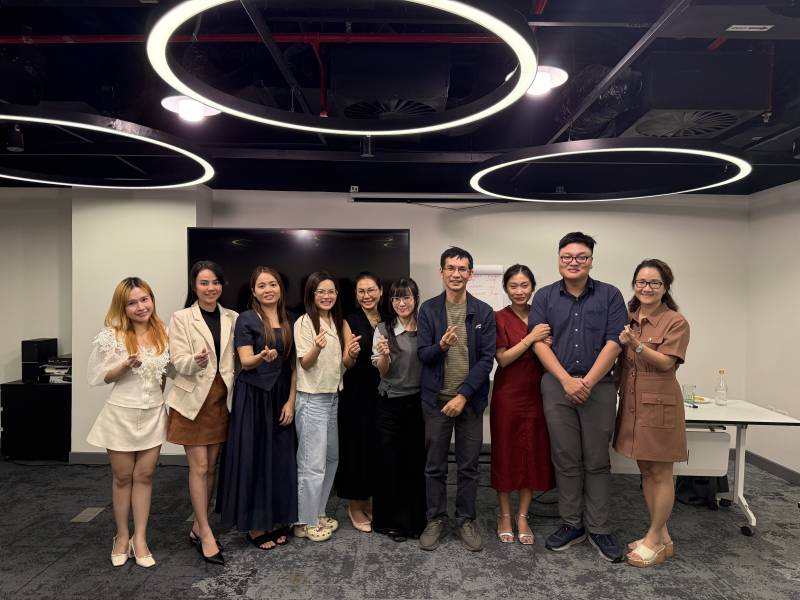
A vibrant and reflective academic atmosphere
The lesson took place in a serious yet open academic atmosphere. In-depth critical questions about how to ask "How" and "Why" questions helped students gain a deeper understanding of how to approach social issues from multiple perspectives.
With a solid foundation in methodology from the very first lesson, Pre-Doctoral Programme students are gradually perfecting their independent research capabilities, preparing them for international publications and a path to achieving a PhD in the future.
Register for the Pre-Doctoral Programme – Class of March 2026 now to begin your professional research journey: LINK